

 We went to the Indonesian Day festival in Union Square in San Francisco this weekend to try some Indonesian treats and to check out the gamelan performance. It was a hot day in the city, so I cooled off with an interesting beverage from one of the stands. Es cendol is a popular dessert/ beverage in Southeast Asia. It is an iced beverage made from gula melaka (coconut palm sugar), coconut and jelly. "Es" refers to the ice and "cendol" refers to the coconut, palm sugar, and pandan jelly dessert. My es cendol was extremely sweet and also quite salty. It tasted like brown sugar, salt, and coconut milk.

 I would love this drink if I were able to customize it to my preferences. More coconut, and less salt and sugar. I loved the green jelies that floated in the drink. Our pal Pushkin, who lived in Singapore for many years, told us that in Singapore es cendol is often served in a bowl, rather than in a cup with a straw.

 There were lots of colorful Indonesian sweets and plenty of stalls with unique food that I have never tried before but I had just finished a "chupacabra" (scrambled eggs, chorizo, black beans, and green salsa) down the street at Canteen
Tune: Nasib Muara Kuang by Shahilin & Siti Rohamah from Music of Indonesia, Vol. 20: Indonesian Guitars Sahilin is a blind guitarist who is accompanied by siti Rohamah on vocals. They have been playing together at parties and festivals for over thirty years.
Tune: Langgam Di Bawah means By the Light of the Full Moon and is performed by Orkes Kroncong Mutiara, a Jakarta string band who use an electric hawaiian guitar, ukalele, banjo, flute, cello, and other instruments on this song. This is also from Music of Indonesia, Vol. 20: Indonesian Guitars
Tune: Hidup DI Bui, which translates to Life in Jail by Gambang Kromong Slendang is sung in the Betawi language. Find this song on Shithsonian Global Sound recording Music of Indonesia, Vol. 2: Indonesian Popular Music: Kroncong, Dangdut, and Langgam Jawa
Tune: Grup Bamba Puang by Los Quin Tallu-Tallu from The Rough Guide To The Music Of Indonesia
Monday, August 14, 2006
Es Cendol

Hands on Dessert
 Almond cake with almond praline, orange soda sabayon, and summer berry compote.
 sugar spirals
This is one of the creations that Hands on Gourmet participants are making for dessert this summer.
Tune: Sugar Baby by Dock Boggs from the b side of the Down South Blues record from 1927. Find it on his Country Blues (1927-1929): Complete Early Recordings CD.
*pictures courtesey of The Food Diva
Saturday, August 12, 2006
Persian Gazpacho


 Cucumbers from at the San Francisco Ferry Plaza Farmers Market


 We found some Persian cucumbers at Berkeley Bowl on a hot day, so we decided to use them in a chilled soup. I was inspired by Chef Sean's bright green cucumber soup with mint at Citizen Cake last week.
 Sour Persian grapes
What a wonderful way to add a little sour tartness to our soup.
We processed 6 cucumbers with a clove of garlic, 1/2 a bunch of mint, a quarter of an onion, a small piece of green chile and some ice water and extra virgen olive oil. We also snuck in a few sprigs of cilantro.
Persian cucumbers and sour grapes work well together like the zarb and the tar.
Zarb is a drum and is sometimes called the dombak. Tar is a long necked lute.
Tune: Persian Tar and Zarb recital by Daryoush Tala'i & Djamchid Chemirani. Buy it Here
Tune: Persian Market by The Climax JB Dixieland Band
Tuesday, August 08, 2006
Panwallas and Guitarwallas
Paanwala in Cochi, Kerala
Paanwalas selling their special custom made paan masalas wrapped in betel leaf, which they call tambula.
A mobile paanwala at Sasoon Docks, Mumbai, 3AM. The betel nut is one of the many ingredients found wrapped in the paan leaf. It comes from the Areca catechu palm and is not related to the betel leaf, it is only called betel nut because it is often found wrapped in the betel leaf, it is also called the areca nut. Areca nuts are sold in Indian markets either whole, which look like whole nutmeg, sliced into thin discs, or sliced into thin strips. Rose jam, coconut, cardamom, sometimes tobacco, chuna (lime stone paste), katha (an extract made from boiling the bark of the catechu tree), clove, anise, fennel, sof (anise candy), mini candied fruit, tiny candied cherries, are all ingredients that can be found in the paanwalas' masala. The paan masala is folded into neat shapes like pyramids or cylinders and often adorned with silver leaf and festive colorful garnishes. When chewed, the katha, dyes the entire mouth a bright red color, and creates a blood colored spit. Many paan chewers have permanently stained red teeth and the streets of all Indian towns have red paan stains on that polka-dot the ground. Areca nut is a mild stimulant. In India most of the paanwalas have long curly mustaches and extravagant cases for all of the paan ingredients.
In Taiwan the paanwalas are mostly half naked hoochie mamas called betel nut beauties.
In the SF Bay area, paan leaves can be found occasionally at Berkeley Bowl and most of the paan masala fixins can be found at Viks in Berkeley.
Tune: Maha Shakti by Debashish Bhattacharya from his Calcutta Slide Guitar 3 album.
I picked up this gem of a CD at Aquarius Records on Valencia St. in San Francisco. Debashish Bhattacharya has created his own Indian version of the hawaiian lap slide guitar. Very beautiful.
Tune: Langgam Schoon by Orkes Kroncong Mutiara feat. Emi Manday This song has an earie sound that uses a ukalele to accompany a Hawaiian slide guitar with Miss Manday's haunting voice singing a melody that sounds like she is longing for her lover to come back home from the sea. Beautiful touches of flute, strings and banjo in all the right places. This song is featured on the Smithsonian Global Sound compilation Music of Indonesia, Vol. 2: Indonesian Popular Music: Kroncong, Dangdut, and Langgam Jawa Tune: MoDjang Priangan by The Steps from their instrumental record Krontjong Warna-Warni
I also found this CD at Aquarius Records
Tune: Gambang Semarang also by The Steps from the Krontjong Warna-Warni CD
Tune: Kemayoran by Grup Bamba Puang has a beautiful drop tune guitar that is finger-picked while two singers trade off spontaneous verses of outcaste and sorrow. This is another song from the Smithsonian Global Sound team from the Music of Indonesia, Vol. 20: Indonesian Guitars compilation.
Tune: Sungguh Terpaksa by La Podding and La Momma has a lively, twangy guitar like sound that seems psychadelic and joyful. This sound comes from a kacopi that La Podding hooked up to an amplifier. The song is a sarcastic comment on modern urban culture in Indonesia comming from a "rural" perspective in the form of a remake of a popular song, according to the folks at Smithsonian Global Sound. You also can find this song on their amazing Music of Indonesia 20:Indonesian Guitars compilation.
Tune: In The Garden by Sonny Treadway on the Sacred Steel album from the Arhoolie record catalog.
This is Florida Gospel music played on the pedal steel guitar.
Tune: Forgot the Title by Jesse Garon and Pedal Steel Transmission
More pedal steel from some Chicago heavyweights. This is classic PST material. I forgot the name of the song, but I'll never forget how sweet it is when Gary P sings the second verse of this space cowboy anthem. It's like a real guy with real soul. They are on to bigger and better things today as they have metamorphasized into Hummingbiird. But this is a great example of soulful pedal steel guitar. Check out how it falls into space after a few verses and the guitars are set free from the song that holds them back. It's like the transition from the conventional song of PST to the free song of Hummingbiird. Danny S and Gary P tore it up back then, imagine what "space is the place" shinnanigans they are up to today.... or better yet, check out what they are doing today at Cardboard Sangria Records And get hip to The Singleman Affair before he blows up internationally. You don't know? ...now ya know.
Tune: Kareta Malam by Elvy Sukaesih from The Rough Guide to the Music of Indonesia is a rolling pop jam that has the playfulness of a Bollywood hit.
Tune: Aloha oe (1915) by William Smith and Walter K. Kolomoku is an early example of origional Hawaiian guitar from the crates of Thomas Edison
Tune: Stambul Lamba by Gambang Kromong Slendang Betawi This song also has a Hawaiian feel. It sounds like a pedal steel guitar, but there are no credits for most of the instruments. But since this is Gambang Kromong there is the gambang (xylophone) and the kromong (a set of kettle-gongs on a rack).
 Check out the brass section and the other interesting instruments. The tehyan, the kongahyan, and the sukong are Chinese string instruments that harmonize and dance together here with the horns and percussion to create a fun song. This tune is on Music of Indonesia, Vol. 3: Music from the Outskirts of Jakarta: Gambang Kromong
 Street musician in the Civic center BART Station, San Francisco
There is a documentary film that will premier in Singapore next week about Gambang Kromong called Dragons Beget Dragons. Hopefully it will make it to other cities around the world.
We are still waiting for Slingshot to come out.
Tuesday, August 01, 2006
Out in the Streets
Street snacks, India Street chef, Mumbai
 Musical score soon come.
Tune: Out In the Streets Again by Etta james
Thursday, July 20, 2006
La Naranja
Origionally posted in January of '06, this post has been updated with a musical soundtrack. It
is was citrus season (a few monthw ago) in California so we headed down to the Alemany Farmers Market in San Francisco to pick out some oranges for our marmelade.
 -It is hard to make a decision with so much to choose from
 We chose a blend of oranges for a unique and personalized marmelade. (also because it is hard to choose just one variety) The Seville orange provided the classic bitter flavor, the Sicilian Tarocco Orange countered the bitterness of the Seville with its sweet juicy red tinted fruit, and the Cara Cara offered a unique, sweet grapefruit flavor to finish the blend. The Cara Cara originated at the Hacienda Cara Cara in Venezuela and was brought to Florida in the 1970's, now it also grows in the Californian San Joaqin Valley. The Seville orange does come from Seville but historians used to believe that it originated in China, now some say Northern India, some say South East Asia, and some even say it comes from Pacific islands like Guam, Samoa, and Fiji. Anyhow, we know for sure that the Moors brought the bitter Seville orange to Spain and Sicily where it grows very well as early as the 9th century. Seville was the center of Arabic culture in Al-Andalus (the Iberian penninsula, modern day Spain and Portugal) at the time and many trees were planted there.

 I bet it came to Spain with Ziryab. Ziryab was a freed slave from Bahgdad, which was also a cultural center of the Arab empire at the time. He studied with the most famoius musician of the day, Ishaq al-Mawsili, son of Ibrahem Al-Mawsili Ziryab's teacher beacame jealous and feared that his student was begining to grow more talented than the teacher so he chased Ziryab out of Bahgdad. Ziryab fled with his family and his specially designed lute to Tunisia, then across North Africa crossing the Straits of Gilbralter and landing in Algeciras, the birthplace of Spain's most celebrated guitarist, many centuries later, Paco de Lucia. Ziryab invented what we know today as the guitar. He had added a fifth string to the traditional four stringed lute and had designed a body with thinner wood to play his magical music on. Back in Baghdad when Ziryab was summuned to sing for the Caliph Harun Al-Rashid, the caliph was amazed and asked him to play some more songs on his master's lute. Ziryab respectfully declined the instrument. "I've brought my own lute," he said, "which I made myself—stripping the wood and working it—and no other instrument satisfies me. I left it at the palace gate and, with your permission, I'll send for it." Harun sent for the lute. He examined it. It looked like Ishaq al-Mawsuli's.
"Why won't you play your master's lute?" the caliph asked.
"If the caliph wants me to sing in my master's style, I'll use his lute. But to sing in my own style, I need this instrument."
"They look alike to me," Harun said.
"At first glance, yes," said Ziryab, "but even though the wood and the size are the same, the weight is not. My lute weighs about a third less than Ishaq's, and my strings are made of silk that has not been spun with hot water—which weakens them. The bass and third strings are made of lion gut, which is softer and more sonorous than that of any other animal. These strings are stronger than any others, and they can better withstand the striking of the pick." Ziryab didn't use a plain wooden pick like the other musicians, he used an eagle claw. Apon arrival in Spain with his guitar, Ziryab was hired by the Caliph of Cordoba in southern Spain, Abd al-Rahman to promote culture in the region. Ziryab was granted a palace and villas along with a salary of gold and wheat. The caliph wanted to bring refinement to the region which was once the wild west of the Arabic empire and at that time on the verge of a renaissance. It had been under Arab rule since 711 and was previously ruled by the barbaric Goths and previously the vicious Vandals. Unlike other European cities of the time, Cordoba had paved streets and streetlamps. There were fountains and gardens, bath houses, many beautiful mosques and street musicians. Abd al-Rahman wanted Cordoba of Al-andalus to be a cultural center to rival Bahgdad and Demascus. The caliph's views on arts and culture contributing to society are echoed today in the words of Govind Swarup, Principal Secretary of Cultural Affairs, Maharashtra, India, “Fine arts is not only a matter of self satisfaction or entertainment. It is also a major instrument for influencing the personality and inculcating values that are good for the individual as well as for the society. A sensitivity that is very much needed today comes only through fine arts" In Al-andalus Ziryab also became a minister of culture. He became a strategist for the region and an arbiter of fashion and taste, and a poet. He was granted money to start a music school which flurished for 500 years. Besides music he also had an interest in cuisine. Since the Roman empire food was piled up on bare wooden tables all together at one time. Ziryab changed all that with the introduction of course service and elegant and artistic plate and banquet presentation. He also introduced fine tableclothes and plate and glassware. He brought many recipes and dishes from Bahgdad and created many original dishes. One dish was meatballs and small triangular pieces of dough fried in coriander oil, came to be known as taqliyat Ziryab, or Ziryab's fried dish. He was also a great pastry chef. He invented the zalabia, fried dough soaked in orange flavored syrup. In India Ziryab's zalabia is called jalebi.  You can see jalebis being made in the opening scenes of Heeraz Marfatia'a modern classic filmBirju. Jalebis are cousins of the rounder and fatter gulab jamuns we posted a few weeks ago. Ziryab was also the first to bring asparagus to the table. Ziryab also opened a beuty parlor/cosmetology school and invented funky haircuts. He became a fashion designer and imported fancy silk from India. As well as ideas from Bahgdad he also borrowed from Indian culture. He had Indians teach chess to the people of Al-Andalus and brought astrologers from India too.
So if Ziryab didn't bring the sour orange trees to Spain it surely must have been someone that he knew. He became powerful and influential even in political decision making in Al-Andalus.
Federico Garcia Lorca was another renaissance man of Andalucia. Garcia Lorca is amous for his plays and poetry about life in Andalucia, but he was also an artist and musician. He staged travellling roadshows for the villages of southern Spain, entertaining and educating the people through puppet shows, musicals, and story telling. He was a progressive free thinker and used creativity for personal and comunal growth and advancement.
Here is the flamenco guitar virtuoso Paco de Lucia at the young age of 17 performing one of many songs written by Garcia Lorca.
Tune: Las Tres Hojas performed by Paco de Lucia, and written by Federico Garcia Lorca.
Here is Paco a few yars later with the young Camarón de la Isla, one of the world's greatest singers of all time.
Tune: Te Vas a Conseguir Tres Cosas by Camarón de la Isla con Paco de Lucia
Tune: Anta Oumri by Lole y Manuel This is a beautiful version of this classic Arabic song written by Egyptian star Mohamed Abdel Waheb done by the flamenco duo who brought a touch of psychedelia to gypsy music in the 1970s and 80s. Their rhythm and duende is magical.
Tune: Tierra que Canta also by Lole y Manuel is a great example of how Andalusian music changes with the times while keeping its roots. Listen to the electric guitar as it zaps its way into this flamenco song with grace.
Tune: Romero Verde is a classic tune by Lole y Manuel in a true Andalusian Gypsy style.
Tune: Al Quivira is another example of Lole y Manuel's flamenco music with Arabic influences.

Tune: Turco Moro by Jalaleddin Takesh, another Bay area artist. This song brings together the Gypsy flamenco guitar of Andalucia and the Gypsy Kanoon of Persia.
Tune: Sueños de Cadiz by John Bilezikjian and Aziz Khadra presents the flipside of the Lole y Manuel formula again with masters of Persian and Arabic music playing a Flamenco influenced song written by oud maestro Bilezikjian.
Check out more orange songs and orange topics over at Locust St.
Sir Walter Raleigh took sour orange seeds to England; they were planted in Surrey and the trees began bearing regular crops in 1595, but were killed by cold in 1739. The British love the sour oranges for making marmelade and perfumes. It's a good thing that the orange trees didn't survive in England because the shipping process actually helps make better marmelade. A combination of the exposure to the salted sea water environment and the banging together in the wooden barrels help to tenderize the oranges as they travel by sea to Great Britain in the first step of marmelade production. The sour Seville oranges we bought grow right here in California so we have to blanch the skin a few times in boiling water to tenderize which also helps remove a little bit of astringent flavor too. In Seville, people don't even use the sour oranges that line the streets. They are picked by one family that has owned the orange trees of Seville for generations and are shipped to the UK for marmelade and perfume. But Sevillanos and visitors to Seville do get to enjoy the wonderful fragrance provided by the trees all over the city.
- Citrus season also means allergy season. Some people say that local honey helps with allergies. There are a few theories about local honey and it's benefits. There is even a brew that aids hayfever in England that is made from honey. We buy local produce whenever possible to support local farmers, cut down on transportation pollution and oil dependancy, and to promote regional cuisine with regional ingredients. We bought some local honey to use instead of sugar in our marmelade MP3: Her Comes the Honeyman from Porgy and Bess, sung by Ray Charles.

 After all the citrus and honey adventures we decide to chill out in the shade and check out some of the street musicians. The steel drum guy was super funky and the lady with the electric washboard guitar also opperated a dancing wooden puppet with her foot.
 The puppet contraption is just like the footdella that Jesse Fuller used to play his San Francisco blues back in the 50's (I wonder if the "Lone Cat" ever played at the Alemany Market?) The washboard-puppet-guitar lady played a great version of "Dinah" that sounded like something she learned back in 1911. She had all the toddlers' attention, and mine too. I hadn't heard the washboard and guitar compliment each other so well since I dusted off my favorite Big Bill Broonzy and Washboard Sam record,

Tune: Diggin' My Potatoes by Washboard Sam and Big Bill Broonzy
Tune: Mamma Don't Allow by Washboard Sam
Tune: Old Yazoo by The Washboard Rhythm Kings "If you don't like rice and beans, have some beans and rice"
After our musical break we came across the egg and poultry section of the market. They were selling live quail, chickens, partridge, and rabbit. I'm not sure if the rabbits were being sold as pets or for food. I guess it is up to the customer what they do with the animals. I was also unclear about the use of a certain type of egg they were selling called balut. I decided I wanted to have scrambled duck eggs for brunch so I pointed to the Balut egg, asked for two, and handed the lady $1.10. Since they cost 55 cents each I naively thought they were some fancy variety of duck egg. But the lady explained to me that balut eggs are actually fertilised eggs that are meant to be boiled and eaten. This Philipino delicacy seemed a little hard core for brunch, maybe next Saturday I'll buy some for dinner.
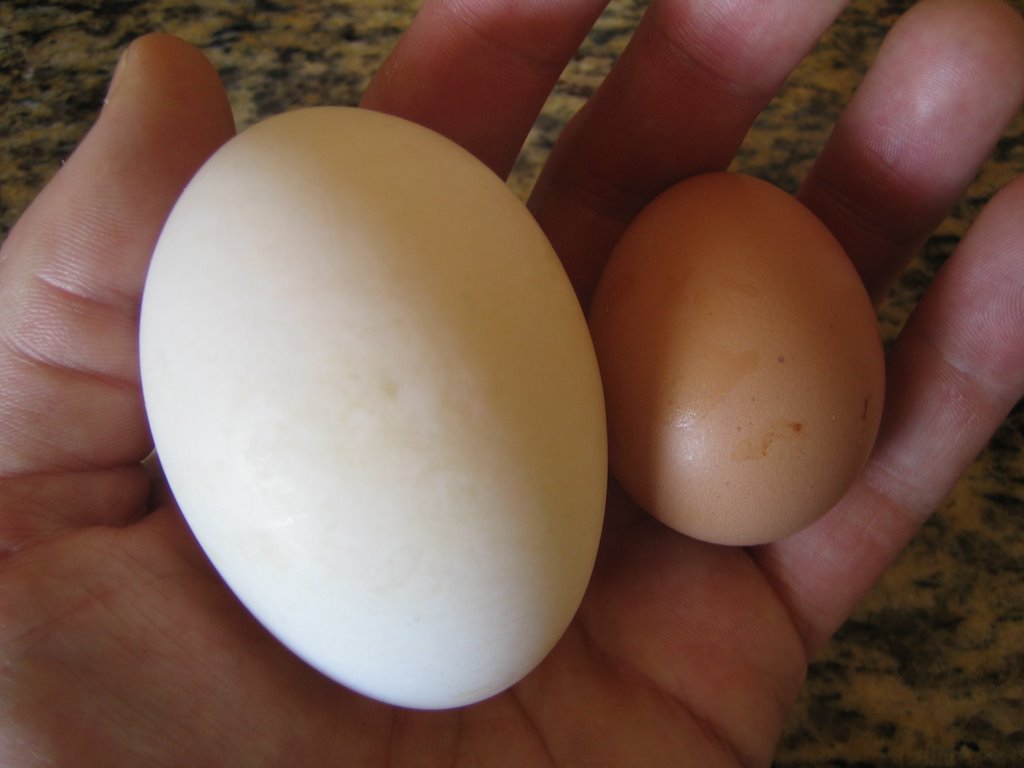 Anyhow, we bought some regular duck eggs for our brunch and had a good meal before we started our marmelade production.
-Veggies left over from Nori and Desi's sushi mise en place were great in our scrambled duck eggs. And the left over gyoza filling made great lil' brunch sausages.
Tune: A Huevo from El Chiapaneco Mix


Chocolate sucre shell filled with blood orange curd, milk chocolate mousse, and a potent earl grey tea whip cream. Orange you glad it's tea time? The Tarts were photographed 2005 in the pastry kitchen of Citizen Cake. I also did a similar tart with burnt orange pastry cream and earl grey milk chocolate pot de creme... then there was the "Venezuela Vacation" tart which featured cara cara orange, El Rey white chocolate and tonka beans, or maybe it was called the Venezuela Sunset. So many different pastries every week, I loose track. I have most of the plated dessert menus I have created over the years, but all the other creations are sketched out in random notebooks and in the deep corners of my memory along with song lyrics, melodies, flavors, visions, dreams.... Anyhow, orange and tea and chocolate make for a glorious ménage à trois.
The pastry cook in the photo behind the tarts is Luis V, a key member of the Tooth Decay Posse.
Tune: Bakershop Boogie by Willie Nix from Sun Records The Blues Years 1950-1958 (Disc 3)
The milk chocolate in the tarts comes from El Rey Venezuelan Chocolate. El Rey has over 75 years experience. They opened in Venezuela in 1929. They use only locally grown, high quality ingredients. All El Rey chocolates are made exclusively with a blend of Venezuelan beans from plantations south of Caracas, giving El Rey chocolate a unique flavor. Their white chocolate is also very good. It is one of the few white chocolates that is made only with non-deodorized cacao butter (deodorization is a chemical process that strips flavor) and it actually tastes like chocolate rather than just sugar, like most white chocolates. The dark chocolate used in the tart is from Scharffen Berger.
This is a pretty decent list of good quality chocolate from around the world. One of my favorites is Bonnat, a family business from France that dates back to 1884. They started producing dark chocolate bars from specific countries (Venezuela and Madagasgar) in 1902 and they were the first company to produce vintage chocolate, using beans from a specific plantation in 1994 with their unique Hacienda el Rosario bar.
Earl grey tea is a blend of black tea with dried bergamot zest and bergamot oils. When steeped in cream, earl grey tea pairs well with different chocolate flavors.
Oranges at the Alameny Farmers Market in San Francisco
Sunday, July 16, 2006
Salty, Sour, Spicy, Crunchy Go-Go
 Green papaya

Green mango salad, green papaya salad, and green tea salad (lephet thoke, made with Burmese fermented green tea leaves) have inspired this vibrant, tastey, salty, sour, spicy, and crunchy creation.  Green papaya, shredded (julienne cut or grated w/ box grater)
Green mango, shredded
Fermented green tea leaves (Lephet)*
Young ginger, shredded
Roasted peanuts
Toasted sesame seeds
Fried garlic slices
Yellow dal, soaked overnight, dried and fried
Cilantro
Thai chiles, finely diced
Toasted coconut
Cherry tomatoes, sliced in half
Dried shrimp, small
Cabbage, shredded
Dressing:
Lemon and Lime juice
Fish sauce
Soy sauce
Rice wine vinegar
Peanut oil
Mustard seeds, ground
Quantities of all the ingredients are based on personal taste.
Make mounds of each individual ingredient next to one another on a platter.
Just before serving, combine all the dressing ingredients and pour over all ingredients and mix together.
*Lephet, Burmese fermented tea leaf is hard to find. I use good quality green tea and combine with lemon juice and fish sauce in a mortar and pestle
For a Thai inspired meal serve with pla-dook foo.
In Cambodia, Papaya salad is served with salted crab.
In Isan, the Northeastern region of Thailand, papaya salad is served with pla rah a pickled mudfish with an oder as fierce as durian.
Here is a recipe for Som Tam Isan (papaya salad from Isan) Papaya salad ingredients at Wat Mongkolratanaram, Berkeley’s Thai Buddhist temple, where they serve affordable, homestyle Thai food to the public every Sunday
Even Thai traditions are fading away with the globalized new world.
But I don't think McDonalds big macs will replace Thai street snacks, and neither Coke nor Starbucks can compete with Thai drinks
Tune: Kotmorn Yoop Yap by Sakarin Boonpit off of Thai Beat A Go-Go Vol. 2 from Subliminal Sounds records is a whacky version of All Shook Up!
Tune: Tee Makhuea Pok is another Thai cover of an American song. This time the artist goes even more country with a version of You're Cheatin' Heart. The artist is Pairote, also on Thai Beat a Go-Go.
Tune: Wasana Gam Par (Could You Love Me?) by Chaan Siang Phin off the cd Molam: Thai Country Groove from Isan from Sublime Frequencies records is a real scorcher. Nice groove.
Download more Asian Pop Oldies
The cuisine of Isan, in the Northeast corner of Thailand, is different from the rest of the nations cuisine because they do not use as much coconut milk. The food is extra spicey in Isan with lots of chillies and herbs. They eat a lot of stickey rice and the cuisine shares many traditions and recipes with neighboring Laos.
Friday, July 14, 2006
Maamoul
I was thrilled to find a recipe for Maamoul when browsing through a Lebanese cookbook at Green Apple Bookstore in the Richmond District in San Francisco. I was trying to find a use for the leftover walnut date filling I had from the strudel I made a few days ago when I came across this recipe that also gave me the opportunity to utilize the wooden butterfly mold I bought in Chinatown a few months ago. Maamoul is traditionally made by the whole family during Easter in Lebanon. Date maamoul is supposed to be made in a specially shaped mold, but walnut maamoul can be made in any kind of mold. I think the butterfly mold goes well with the coming of Spring and the end of the rain here in SF. Let the sun shine!
Tune: Sunshine by Mos Def from The New Danger
Tune: Sun Comes Up by John Legend
Tune: Devil's Pie (Paul Nice remix) by another modern soul singer D'Angelo over a summertime Tribe Called Quest beat from the Bay Area's own DJ's J Boogie and Sake One's latest mix tape Leftism Pick it up at Fabric8 To fill the maamoul with the walnut date filling you are supposed to roll the semolina dough into balls and then make a well in the ball with your thumb, fill the well and close it back up. Then you are supposed to press the dough into the molds. I fill the molds half way with the dough then add the filling and then top it off and seal it with more dough. I found this easier to do with the intricate molds that I was dealing with.
 They are baked for only 10-12 minutes at 300 degrees F. The dough is just semolina, butter, a tiny bit of sugar, salt water, and flavor. The recipe calls for rose water and orange blossom water in the dough. I used saffron rose water, a great Middle Eastern and Persian flavor combination that is also a favorite of Elizabeth Falkner and is perfect for a breezy and sunny afternoon tea time.
Tune: Maktoubik Malyan by Lebanese pop star Wael Kfouri
French Labanese RapperClotaire K infuses nice Arabic melodies and instruments into his beats.
Tune: Laisse Les by Clotaire K
Tune: Maqam by Clotaire K
Arabic influenced beats by the Bay's own J. Boogie
Tune: Ritual of The Nile by J Boogie off his Dubtronic Science record
Tune: Dance of Ayten by another Bay Area artist, Jaleleddin Takesh who owns Pasha , a Persian restaurant in San Francisco with live music and belly dancing. Jalaleddin plays the kanoon which is popular in Turkish Gypsy music. Jalaleddin was also in a Hawaii 5-0 episode in 1978. Dance of Ayten is a short Belly Dance piece with a few sudden shifts in tempo and features violin and kanoon solos.
Our friends at Global Phatness Radio have been providing us with a great internet radio station for a minute now that is full of Arabic beats and traditional tunes and mas. There first CD Suryaghati is a modern classic.
Tune: Surya (sun) by San Francisco based Global Phatness feat. Hafez Modir
East meets West again with a another wicked mash up by The Boston Jerk. This next track is another study in sound and culture. Get schooled at The Riddim Method or at Wayne and Wax. He has some great observations, commentaries, and philosophies on pop culture and music. Check out his dancehall and reggaeton posts.
Tune: Big-Gyptian mix where he once again mashes and blends some classics with some classics. Jay-Z meets Abdel-Halim Hafez.
Tune: Guazz Aldam (Blood Wedding) by Egyptian rapper MC Pharosan
Tune: Celia in Cairo This track is from a bootleg CD I bought on the streets of Tangier, Morocco.
Tune: Nice Arabic Joint Another track from a Moroccan street CD.
Tune: Missy in Morocco A mash up by DJ Crow, another cut from the streets of Morocco.
Tune: Moroccan Street Jam A more traditional jam, but still popular with the youth.
Tune: Moroccan Street Jam with heavy duty MC
Tune: Calling All Absentees by Kid Gusto of True Grooves, Washington DC gives a middle eastern percussion touch to a rolling reggae stomper.
Tune: 3 Bandits by Bumcello from Nude For Love big Middle Eastern feel on this groove with hip hop beat
Tune: Beautiful You also by Bumcello also from Nude For Love This track does not have much Middle Eastern sounds but it features the Bay's own Gift of Gab and Lateef the Truth Speaker.
Tune: Ya Binaya Goumi (Oh Girl, Stand Up) by Bawin from Choubi Choubi: Folk and Pop Sounds from Iraq


